
Hmong and the French during WWII
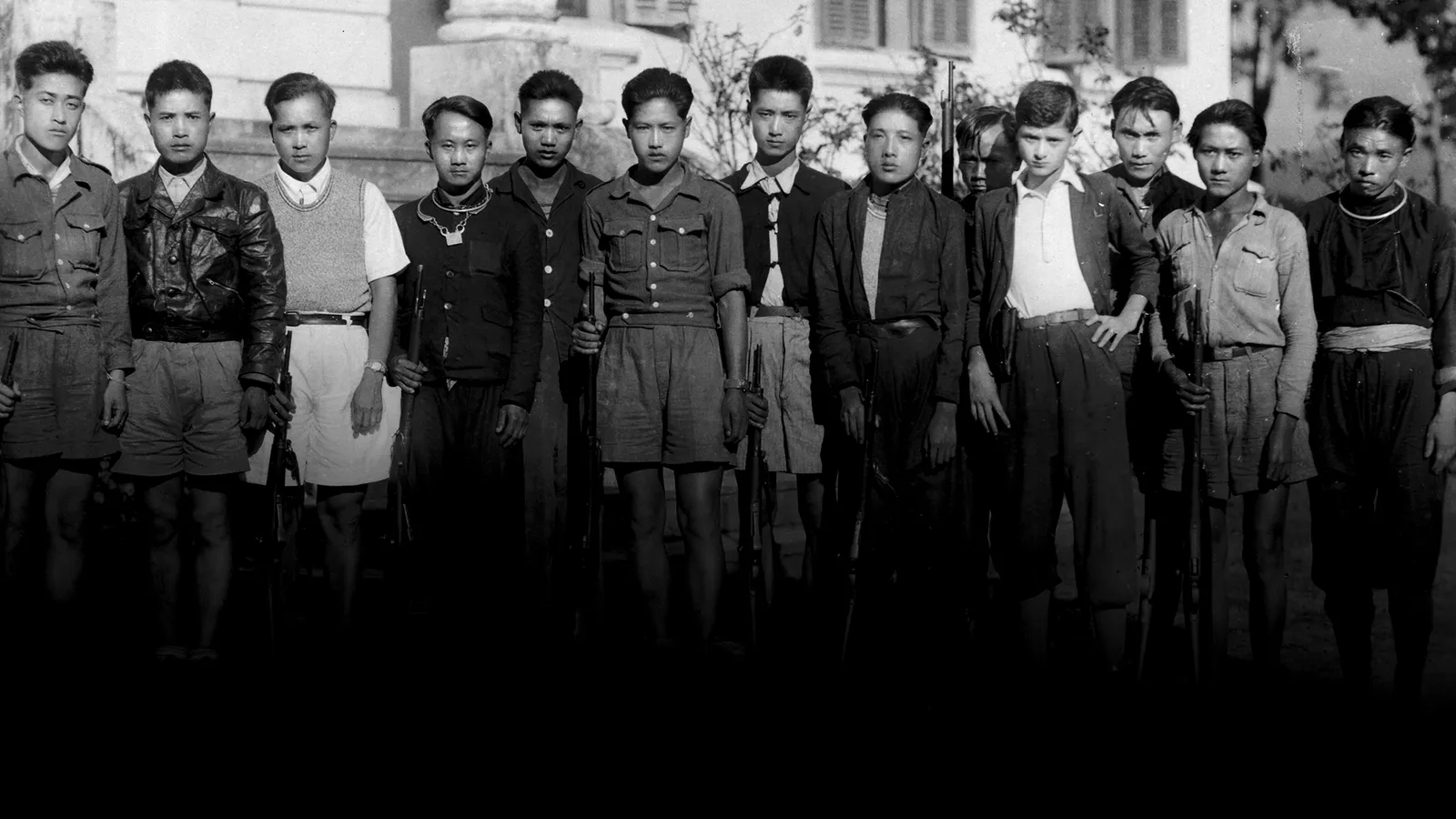
During World War II, Japanese soldiers who occupied Laos and Indochina let the French administrators and soldiers rule as they had for fifty years. These local French administrators were working for the French government of Marshal Petain, which was a puppet government of Japan’s ally, Germany. Japanese and French lived side by side until March 1945.
On March 4th, French resistance soldiers under General De Gaulle flew from their base in India, parachuted into Laos, and contacted Hmong leader Touby Lyfoung.
Touby Lyfoung was Tasseng of Keng Khuai, who oversaw sixty villages in Nong Het district. The French troops requested Hmong guides to help them in their effort to launch guerrilla warfare against the Japanese. They told him there were French commandos like them being inserted throughout Indochina to take it back from the Japanese. Touby Lyfoung agreed and provided Hmong men as guides for the French soldiers.
On March 9th, Japanese troops took control over the country and tried to arrest and disarm all French administrators and soldiers. At the same time, there were nationalist uprisings throughout Indochina. In Laos, the Lao Issara (Free Laos) movement rose to resist French colonialism and declared Lao independence. At Nong Het, the local French commander destroyed his own supplies, hid his wife and children with local Hmong, and fled into the jungle to join the French commandos.
On March 24th, three hundred Japanese soldiers passed through Nong Het, leaving thirty soldiers to man the Nong Het post, before continuing to the Plain of Jars. In April, Touby Lyfoung was arrested by the local Japanese commander and was asked if he had hidden the French weapons, supplies, and money. After three days of questioning, he was released, but he realized that he was in danger, so he fled with his family and relatives into the jungle.
While Touby Lyfoung was hiding in the jungle, Lo Fay Dang, Touby Lyfoung’s uncle and one-time competitor for Tasseng of Keng Khuai, was put in charge at Nong Het. Lo Fay Dang did not like the French and was well-connected to the Japanese. When Touby Lyfoung heard that Lo Fay Dang’s men and Japanese soldiers were torturing his relatives for information, he fled even deeper into the jungle, where he and his family remained for four months.
SOURCE:
Lyfoung, Touby with Dr. Touxa Lyfoung. Touby Lyfoung: An authentic account of the life of a Hmong man in the troubled land of Laos.
Piece written by: Soul Vang